When to Check Air Pressure in Tires: Complete Guide 2026
When to check air pressure in tires is one of the most important questions every driver should know the answer to. The optimal time is when your tires are cold, ideally before you've driven more than a mile or after your vehicle has been parked for at least three hours. Proper timing ensures accurate readings that directly impact your safety, fuel economy, and tire longevity.
Most drivers check their tire pressure sporadically, often only when they notice something looks off. However, maintaining proper tire pressure requires a more systematic approach. Your tires lose approximately 1-2 PSI per month under normal conditions, and temperature changes can cause pressure fluctuations of up to 10 PSI throughout the year.
Best Times of Day to Check Tire Pressure
The timing of your tire pressure check dramatically affects accuracy. Cold tires provide the most reliable readings because heat from driving and friction causes air to expand, leading to artificially high pressure measurements.
Early morning hours(before 10 AM) typically offer the best conditions for checking tire pressure. During this time, your vehicle has likely been stationary overnight, allowing tires to cool to ambient temperature. Avoid checking immediately after driving, even short distances, as just a few miles can increase tire temperature significantly.
Expert Tip: If you must check tire pressure after driving, wait at least 30 minutes for every mile driven. For highway driving, allow 3+ hours for tires to return to ambient temperature.
Evening checks can work if your car has been parked for several hours, but morning measurements remain most reliable due to cooler ambient temperatures and longer cooling periods.
Seasonal Timing for Tire Pressure Checks
Temperature changes significantly impact when and how often you should monitor tire pressure. Understanding seasonal patterns helps you stay proactive rather than reactive.
Spring and Fall: Critical Transition Periods
These seasons require the most attention because temperature swings of 40-50 degrees can occur within weeks. For every 10-degree temperature change, tire pressure changes by approximately 1 PSI. Spring warmup and fall cooldown periods often catch drivers off guard with rapid pressure changes.
During these transitions, check tire pressure weekly rather than monthly. This frequency helps you catch pressure drops before they become safety issues or cause premature tire wear.
Summer and Winter: Steady but Extreme Conditions
Summer's consistent heat means checking every 2-3 weeks is usually sufficient, but watch for pressure increases during heat waves. Winter requires more frequent monitoring due to cold temperatures causing pressure drops and potential ice/snow damage affecting tire integrity.
When to Check Air Pressure in Tires: Frequency Guidelines
Establishing a regular schedule prevents most tire pressure problems before they impact your driving experience or safety.
| Driving Conditions | Check Frequency | Reason |
|---|---|---|
| Daily commuting (under 50 miles) | Every 2-3 weeks | Normal pressure loss rate |
| Highway driving (50+ miles daily) | Weekly | Higher heat generation |
| Extreme temperatures (below 32°F or above 90°F) | Weekly | Rapid pressure changes |
| Off-road or rough terrain | After each trip | Potential damage/leaks |
| Long-distance travel | Before and after trips | Load and heat stress |
Warning Signs That Require Immediate Pressure Checks
Certain symptoms indicate you need to check tire pressure immediately, regardless of your regular schedule. Visual inspection should be part of every pre-drive routine, but these specific signs demand immediate attention:
- Visible tire deformation: Sidewall bulging or flattened contact patch
- Vehicle pulling: Car drifting to one side during straight-line driving
- Increased road noise: Unusual humming or rumbling from tires
- Reduced fuel economy: Sudden decrease in miles per gallon
- TPMS warning light: Dashboard tire pressure monitoring system activation
- Steering wheel vibration: Unusual feedback through steering, especially at highway speeds
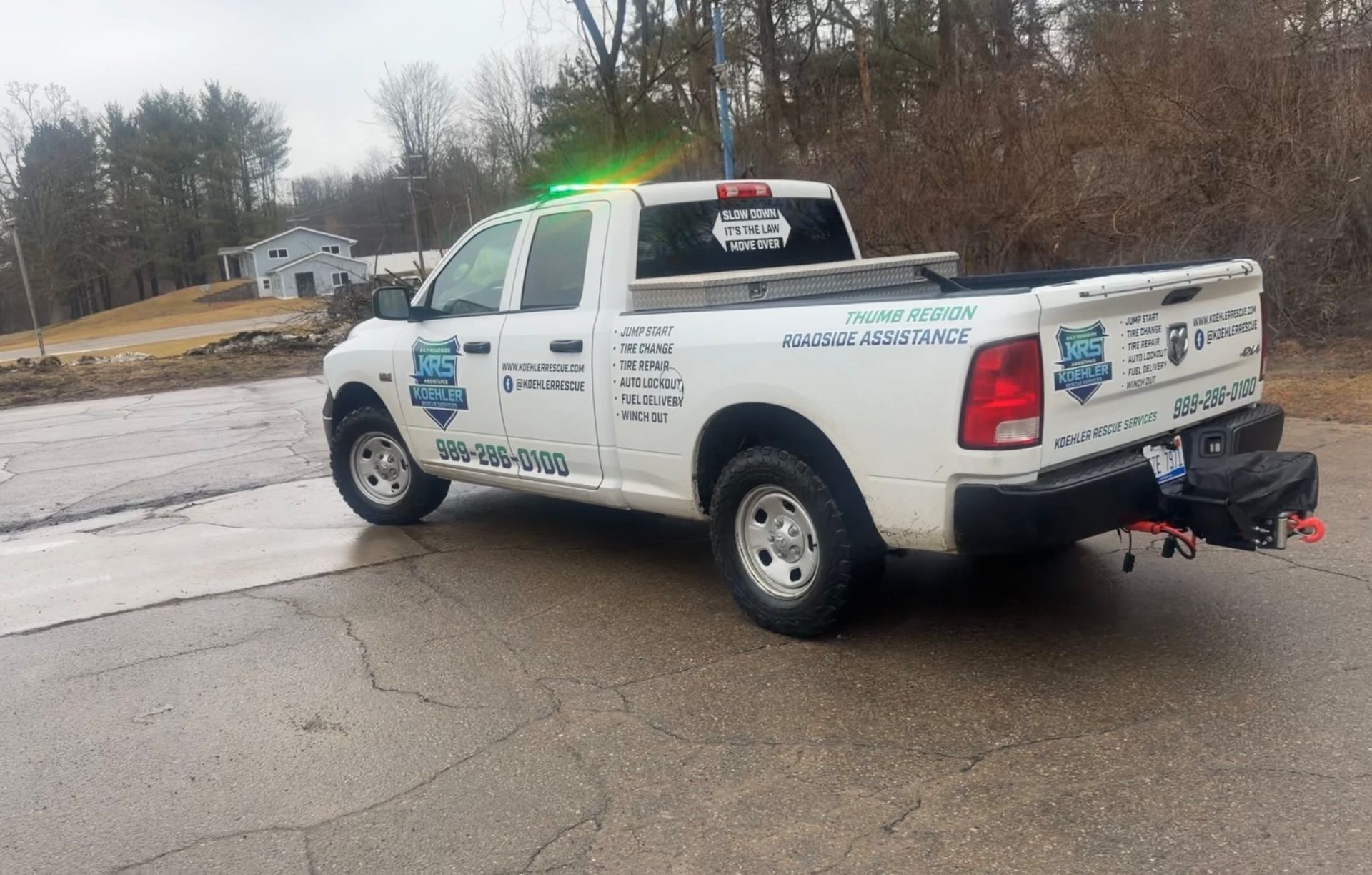
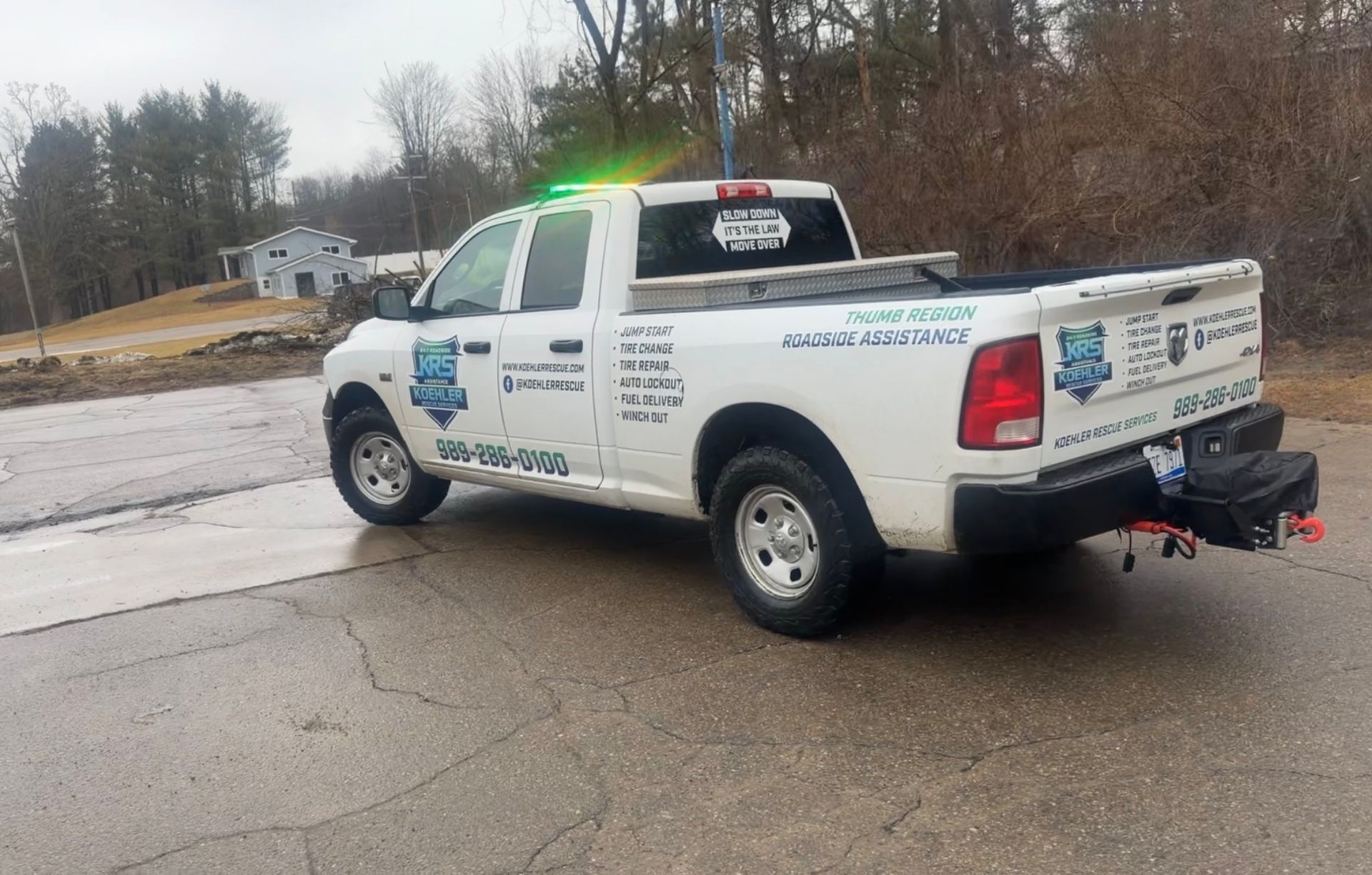
If you experience any of these symptoms while driving in Michigan's challenging weather conditions, our emergency roadside assistance team can help assess and address tire pressure issues on-site.
Temperature Impact on Tire Pressure Timing
Understanding how temperature affects tire pressure helps you time your checks for maximum accuracy and safety. This knowledge is particularly crucial for drivers in Michigan's variable climate.
Temperature Rule: For every 10°F temperature drop, tire pressure decreases by 1-2 PSI. A 40°F overnight temperature drop can reduce pressure by 4-8 PSI.
Cold weather considerations include checking pressure more frequently during winter months and understanding that morning readings in sub-freezing temperatures will show the lowest (and most accurate) pressure levels. Hot weather requires awareness that afternoon pressure readings can be 5-10 PSI higher than actual cold pressure.
Monthly Pressure Loss Patterns
Even without temperature changes, tires naturally lose pressure over time. New tires typically lose 1 PSI per month, while older tires with more porous rubber can lose 2-3 PSI monthly. This natural loss means checking at least monthly is essential, but timing these checks consistently provides the most valuable data.
Special Circumstances Requiring Pressure Checks
Beyond regular maintenance schedules, specific situations demand immediate tire pressure verification to ensure safety and performance.
Before long trips: Check pressure within 24 hours of departure, preferably the morning of travel. Long-distance driving generates significant heat, and starting with proper pressure prevents blowouts and ensures optimal fuel economy.
After hitting road hazards: Potholes, curbs, or debris strikes can cause slow leaks that aren't immediately apparent. Check pressure within a few hours of any significant impact, even if no immediate damage is visible.
When carrying heavy loads: Extra weight increases tire stress and heat generation. Check and adjust pressure according to your vehicle's load specifications before hauling cargo or towing.
After tire rotation or replacement: New or repositioned tires may have different pressure levels. Verify all tires match manufacturer specifications after any tire service.
Professional Tire Pressure Monitoring
While personal monitoring is essential, professional services provide additional safety layers and expertise that many drivers overlook.
TPMS system limitations: Tire Pressure Monitoring Systems typically alert you only when pressure drops 25% below recommended levels. This means a tire could be 5-8 PSI low without triggering warnings, still causing reduced fuel economy and increased wear.
Professional technicians check tire pressure as part of comprehensive vehicle inspections, often catching issues before they become problems. They also verify TPMS accuracy and can identify slow leaks that might not be apparent during quick personal checks.
For drivers in Michigan's Thumb Region experiencing tire-related roadside emergencies, our professional technicians provide 24/7 tire pressure assessment and adjustment services, ensuring you get back on the road safely.
Common Tire Pressure Checking Mistakes
Avoiding these frequent errors ensures accurate readings and better tire maintenance:
- Checking hot tires: Measuring pressure after driving gives falsely high readings
- Using old or inaccurate gauges: Digital gauges over 5 years old often lose calibration
- Ignoring the spare tire: Emergency tires need quarterly pressure checks
- Checking only when tires look low: Radial tires can be significantly underinflated while appearing normal
- Not recording measurements: Tracking pressure trends helps identify slow leaks early
Professional Insight: Over 75% of vehicles on the road have at least one tire that's 5+ PSI below optimal pressure, primarily because drivers wait for visual signs rather than checking proactively.
Conclusion
Understanding when to check air pressure in tires transforms this simple maintenance task into a powerful tool for safety, economy, and tire longevity. The key is checking cold tires consistently - ideally monthly for normal driving, weekly during temperature transitions, and immediately when warning signs appear. By timing your pressure checks correctly and maintaining regular schedules, you'll prevent most tire-related problems before they impact your driving experience or safety on the road.
Frequently Asked Questions
How long should I wait after driving to check tire pressure?
Wait at least 3 hours after driving, or 30 minutes for every mile driven. For highway speeds, allow longer cooling periods as tires generate more heat. Early morning checks before driving provide the most accurate readings.
Should I check tire pressure in cold or warm weather?
Always check tire pressure when tires are cold, regardless of ambient temperature. Cold tires give accurate baseline readings, while warm tires from driving or hot pavement provide inflated measurements that don't reflect actual pressure needs.
How often should I check my spare tire pressure?
Check spare tire pressure every 3 months, as spare tires often sit unused for extended periods and can lose pressure faster than regularly used tires. Many drivers discover flat spare tires during emergencies because they neglect regular checks.
Can I check tire pressure at gas stations accurately?
Gas station air gauges can be accurate if well-maintained, but bring your own pressure gauge to verify readings. Many station gauges are inaccurate due to heavy use and poor maintenance. Check pressure before adding air to avoid overinflation.
What time of year requires the most frequent tire pressure checks?
Spring and fall require weekly checks due to rapid temperature changes. These seasonal transitions can cause 10+ PSI pressure swings within days, making frequent monitoring essential for safety and tire performance.