Car Cranks But Won't Start: Complete 2026 Diagnostic Guide
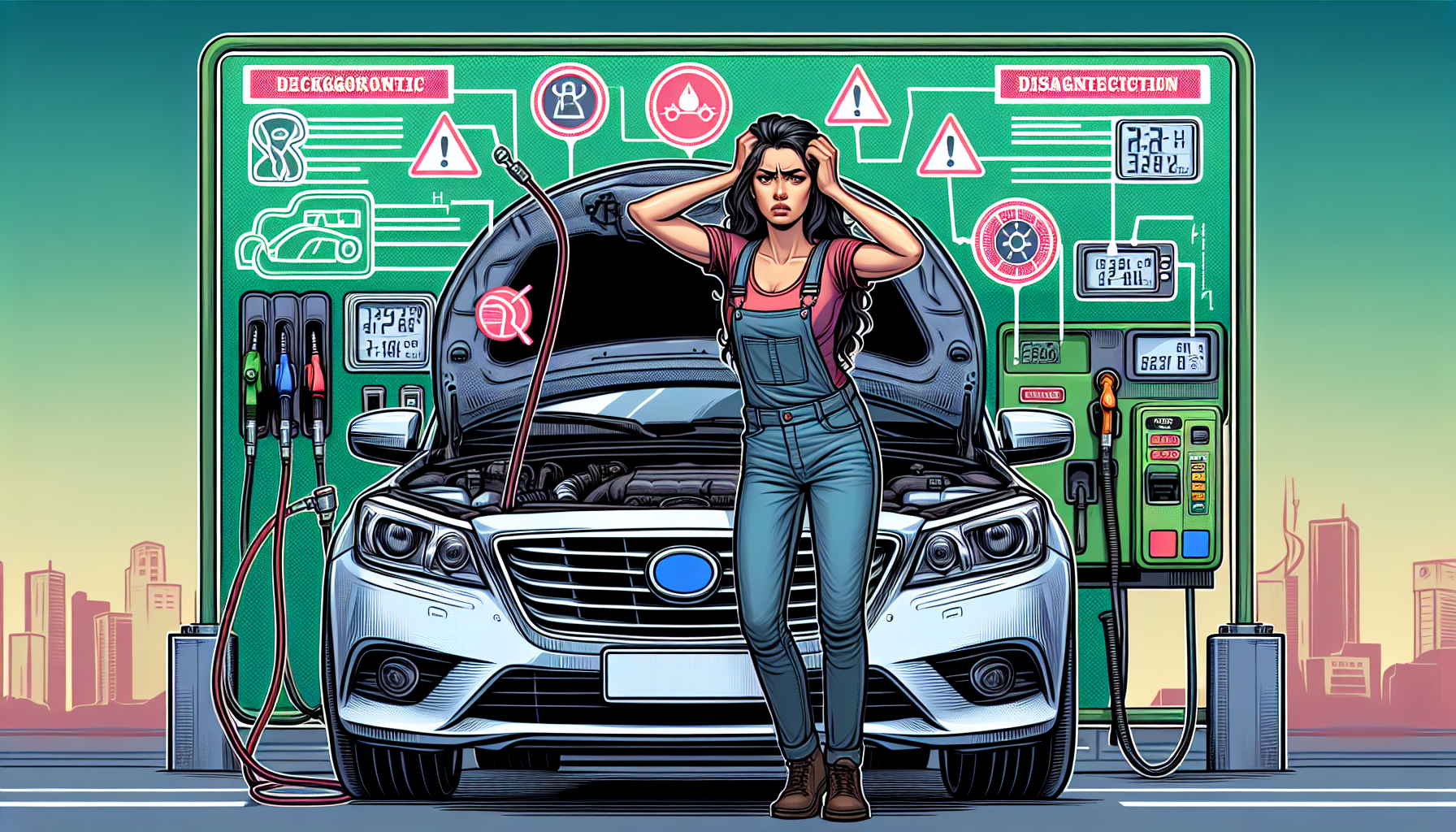
When your car cranks but won't start, you're dealing with one of the most frustrating automotive problems. The engine turns over normally, making that familiar cranking sound, but refuses to fire up and run. This issue affects millions of drivers annually and can stem from several common causes ranging from simple fixes to more complex mechanical problems.
Understanding why your vehicle cranks but doesn't start requires examining the three essential elements every engine needs: fuel, spark, and compression. When any of these components fail or become compromised, your car will crank endlessly without starting. The good news is that most cranking-but-not-starting issues can be diagnosed and resolved without expensive repairs.
Understanding the Cranks But No Start Problem
The cranking sound you hear indicates your starter motor and battery are functioning correctly. Your engine is mechanically turning over, which means the problem lies elsewhere in the starting system. Professional technicians categorize this as a "no-start condition with good crank," distinguishing it from situations where the engine won't turn over at all.
Modern vehicles rely on complex computer systems that monitor dozens of sensors before allowing the engine to start. When your car experiences a cranks but no start situation, the engine control module (ECM) has detected a problem that prevents ignition. This built-in safety feature protects your engine from potential damage.
Expert Tip: If your car cranks for more than 10-15 seconds without starting, stop immediately. Continued cranking can damage the starter motor and drain your battery completely.
The 7 Most Common Causes When Your Car Cranks But Won't Start
Based on automotive service data from 2026, these seven issues account for approximately 85% of all cranks-but-no-start problems:
1. Fuel System Problems
Fuel delivery issues represent the leading cause of cranking-but-not-starting problems. Your engine needs a precise fuel-to-air mixture to ignite properly. Common fuel-related causes include:
- Empty fuel tank (more common than you'd think)
- Clogged fuel filter preventing proper flow
- Failed fuel pump unable to deliver pressurized fuel
- Contaminated fuel that won't ignite properly
- Frozen fuel lines in extreme cold weather
2. Ignition System Failures
Your ignition system creates the spark needed to ignite the fuel mixture. Spark-related problems include worn spark plugs, faulty ignition coils, or damaged spark plug wires. Modern vehicles use coil-on-plug ignition systems that can fail individually, causing rough running or complete no-start conditions.
3. Battery and Electrical Issues
While your battery might have enough power to crank the engine, it may lack sufficient voltage for the ignition system. Weak batteries often provide 12 volts at rest but drop below the required 10.5 volts under cranking load, preventing proper spark generation.
Step-by-Step Diagnostic Process for Cranks But No Start
Follow this systematic approach to diagnose your cranking-but-not-starting problem. Each step builds on the previous one, helping you identify the root cause efficiently:
- Check fuel level: Verify you have adequate fuel in the tank
- Listen for fuel pump: Turn the key to "on" position and listen for a humming sound from the rear
- Test battery voltage: Use a multimeter to check for 12.6+ volts at rest
- Inspect spark plugs: Remove one plug and check for spark while cranking
- Verify security system: Ensure anti-theft system isn't preventing start
- Check engine codes: Use an OBD-II scanner to retrieve diagnostic trouble codes
| Symptom | Most Likely Cause | Quick Test | Estimated Cost |
|---|---|---|---|
| No fuel pump noise | Failed fuel pump or relay | Listen for humming when key turns on | $300-$800 |
| Engine cranks very slowly | Weak battery or poor connections | Check battery voltage under load | $100-$200 |
| Strong fuel smell | Flooded engine or fuel leak | Wait 15 minutes, try starting | $50-$300 |
| Security light flashing | Anti-theft system activated | Use proper key, check manual | $0-$150 |
| Recent fuel fill-up | Bad fuel or wrong fuel type | Check receipt, drain if necessary | $200-$500 |
Quick Fixes You Can Try Before Calling for Help
Several immediate solutions can resolve cranks-but-no-start problems without professional assistance:
Try the "key dance" for fuel pump issues: Turn your key to the "on" position for 5 seconds, then off, then on again for 5 seconds. Repeat this process 3-4 times before attempting to start. This can prime a weak fuel pump and provide enough pressure for starting.
For flooded engines, hold the accelerator pedal to the floor while cranking. This signals the engine computer to enter "clear flood" mode, reducing fuel delivery and allowing excess fuel to clear from the cylinders.
Safety Warning: Never attempt to start your vehicle if you smell gas fumes or see fuel leaks. This creates a serious fire hazard and requires immediate professional attention.
Check all battery connections for corrosion or looseness. Clean battery terminals with a wire brush and tighten connections securely. Poor electrical connections can prevent adequate power from reaching the ignition system.
When Your Car Cranks But No Start Requires Professional Help
Certain cranks-but-no-start situations require professional diagnostic equipment and expertise. These include:
- Compression problems requiring cylinder pressure testing
- Timing chain or belt failures affecting valve timing
- Computer system malfunctions needing specialized scan tools
- Fuel injection system problems requiring pressure testing
- Complex electrical faults in modern vehicle networks
If you're stranded with a cranks-but-no-start problem, our emergency roadside assistance can provide on-site diagnosis and jump-start services. Our technicians carry diagnostic equipment and common replacement parts to resolve many starting issues at your location.
Preventing Future Cranks But No Start Problems
Preventive maintenance significantly reduces the likelihood of experiencing cranking-but-not-starting issues. Regular service intervals help identify potential problems before they leave you stranded:
- Replace spark plugs every 60,000-100,000 miles depending on type
- Change fuel filter every 30,000 miles or per manufacturer recommendations
- Test battery annually and replace every 4-5 years
- Keep fuel tank above 1/4 full to prevent fuel pump overheating
- Use quality fuel additives periodically to prevent injector clogging
Seasonal preparations also help prevent starting problems. In winter, ensure your battery is fully charged and consider using fuel line antifreeze. Summer preparations should focus on cooling system maintenance and fuel system cleanliness.
Cost Analysis: DIY vs Professional Repair
Understanding repair costs helps you make informed decisions when dealing with cranks-but-no-start problems:
| Repair Type | DIY Cost | Professional Cost | Difficulty Level |
|---|---|---|---|
| Spark plug replacement | $20-$80 | $100-$300 | Easy |
| Fuel filter replacement | $15-$50 | $80-$200 | Moderate |
| Battery replacement | $80-$200 | $150-$300 | Easy |
| Fuel pump replacement | $150-$400 | $500-$1200 | Difficult |
| Diagnostic service only | N/A | $100-$150 | Requires tools |
Many drivers find that investing in professional diagnosis saves money in the long run by preventing unnecessary parts replacement and ensuring accurate repairs.
Emergency Situations and Safety Considerations
When your car cranks but won't start in dangerous locations, safety becomes the priority. If you're stranded on a busy highway, in extreme weather, or in an unsafe area, contact professional help immediately rather than attempting DIY repairs.
Our 24/7 emergency roadside assistance serves Michigan's Thumb Region with rapid response times, ensuring you get help when and where you need it most. We understand that cranks-but-no-start problems often occur at the worst possible times.
Keep emergency supplies in your vehicle including a flashlight, basic tools, and emergency contact numbers. Many starting problems occur in low-light conditions where proper visibility is essential for safe diagnosis.
Frequently Asked Questions
Why does my car crank but not start when it's cold?
Cold weather affects multiple systems simultaneously. Thick engine oil makes cranking harder, batteries lose capacity in cold temperatures, and fuel delivery can become restricted. Weak batteries that work fine in warm weather often fail to provide adequate power for ignition systems when temperatures drop below freezing.
Can a bad alternator cause cranks but no start problems?
While alternators don't directly prevent starting, a failing alternator may not properly charge your battery. This results in insufficient electrical power for the ignition system, even though the starter motor has enough power to crank the engine. If your battery light has been on recently, have your charging system tested.
How long should I crank the engine before giving up?
Limit cranking to 15-second intervals with 30-second rest periods between attempts. Continuous cranking overheats the starter motor and rapidly drains your battery. If the engine doesn't start after three 15-second attempts, stop and seek professional diagnosis to avoid additional damage.
What does it mean if my car cranks but won't start and there's no check engine light?
The absence of a check engine light suggests the engine computer hasn't detected a stored fault code. This often indicates fuel delivery problems or issues that don't trigger the computer's diagnostic systems, such as mechanical timing problems or fuel quality issues.
Is it safe to use starting fluid if my car cranks but won't start?
Starting fluid should be used with extreme caution and only on older vehicles without sensitive electronic systems. Modern engines with mass airflow sensors can be damaged by starting fluid. If you must use it, spray a small amount into the air intake while someone else cranks the engine, never into the throttle body directly.
Successfully diagnosing and resolving a cranks but no start problem requires systematic troubleshooting and understanding of basic automotive systems. While many issues can be resolved with simple fixes, don't hesitate to seek professional help when safety or complex repairs are involved. Regular maintenance and preventive care remain your best defense against unexpected starting problems, keeping you mobile and avoiding roadside emergencies.