Tire Weather Checking: Essential Guide for Safe Driving 2026
Proper tire weather checking is your first line of defense against dangerous blowouts, poor traction, and unexpected roadside emergencies. With weather conditions in Michigan ranging from scorching summer heat to brutal winter cold, your tires face constant challenges that can compromise your safety and leave you stranded. Understanding how different weather conditions affect your tires—and knowing how to inspect them properly—can save you from costly repairs and potentially life-threatening situations on the road.
Every year, our roadside assistance team responds to hundreds of tire-related emergencies that could have been prevented with proper weather-aware tire maintenance. The good news? Most tire weather issues are completely preventable with the right knowledge and consistent checking habits.
Understanding How Weather Affects Your Tires
Weather conditions create unique challenges for tire performance and longevity. Temperature fluctuations cause tire pressure to change by approximately 1-2 PSI for every 10°F temperature shift. This means your perfectly inflated tires in summer can become dangerously underinflated during winter months, leading to increased wear, poor fuel economy, and higher blowout risk.
Heat presents equally serious challenges. Summer temperatures above 90°F can cause tire pressure to increase beyond safe limits, while also accelerating rubber degradation. Road surface temperatures can reach 140°F or higher, creating conditions where underinflated or worn tires are more likely to fail catastrophically.
Expert Tip: Tire failures increase by 35% during summer months when temperatures exceed 85°F, according to AAA data. Regular weather-specific checking becomes critical during these peak risk periods.
Rain and wet conditions expose another critical aspect of tire health: tread depth adequacy. Worn tires lose their ability to channel water away from the contact patch, leading to hydroplaning at surprisingly low speeds. Even tires with legal tread depth (2/32") can be dangerous in heavy rain—most safety experts recommend replacement at 4/32" for wet weather driving.
Complete Tire Weather Checking Process
Effective tire weather checking requires a systematic approach that accounts for seasonal conditions and weather-specific risks. Start by checking tire pressure when tires are cold —ideally before driving or at least three hours after your last trip. Temperature affects pressure readings, so checking during the coolest part of the day provides the most accurate baseline.
Essential Tools for Weather-Aware Tire Checking
Invest in quality tools that provide accurate readings across different weather conditions:
- Digital tire pressure gauge(more accurate than pencil-style gauges, especially in cold weather)
- Tread depth gauge or penny test for wear assessment
- Flashlight or headlamp for winter checking when daylight is limited
- Tire temperature gun(optional but valuable for summer heat checking)
- Work gloves for handling tires in cold conditions
Step-by-Step Weather Checking Protocol
Begin each inspection by visually examining all four tires plus your spare. Look for obvious damage like cuts, bulges, or objects embedded in the tread. Pay special attention to sidewall condition—cold weather makes rubber more brittle and prone to cracking.
Check tire pressure using your digital gauge, comparing readings to the manufacturer's recommended PSI found on your driver's side door jamb sticker. Adjust pressure based on current weather conditions: if you're heading into significantly colder weather, add 2-3 PSI above the recommended pressure to account for temperature-related pressure drops.
Assess tread depth using the penny test—insert a penny into the tread with Lincoln's head facing down. If you can see the top of Lincoln's head, your tread depth is below 2/32" and requires immediate replacement. For improved wet weather safety, consider replacement when you can see Lincoln's forehead (approximately 4/32" depth).
Best Tire Weather Checking Methods: Comparison Guide
| Checking Method | Weather Suitability | Accuracy Level | Time Required | Cost |
|---|---|---|---|---|
| Digital Pressure Gauge + Visual | All weather conditions | High | 5-10 minutes | $15-30 |
| Gas Station Air Gauge | Mild weather only | Medium | 10-15 minutes | Free-$1 |
| TPMS Monitoring | All weather (alerts only) | Medium | Continuous | $200-400 |
| Professional Inspection | All weather conditions | Highest | 30-45 minutes | $50-100 |
Seasonal Tire Weather Checking Strategies
Winter tire checking requires special attention to pressure drops and rubber flexibility. Cold temperatures below 32°F can cause significant pressure loss overnight. Check pressures weekly during winter months, and always before long trips. Look for signs of rubber hardening or cracking, which indicates your tires may not be suitable for extreme cold conditions.
Summer checking focuses on heat-related tire stress. Inspect tires before and after long highway drives, looking for signs of overheating like unusual wear patterns or rubber degradation. If your tires feel excessively hot to the touch after driving, this may indicate underinflation or overloading.
Spring and fall transitions present unique challenges as temperature swings can cause daily pressure fluctuations. During these seasons, check tire pressures more frequently—ideally twice weekly—to ensure consistent inflation as weather patterns change.
Safety Alert: Tire blowouts are 3x more likely during the first major temperature change of the season. Make checking a priority during spring warmup and fall cooldown periods.
Warning Signs That Require Professional Tire Service
Certain tire conditions discovered during weather checking require immediate professional attention. Sidewall bulges or bubbles indicate internal structural damage and present immediate blowout risk—discontinue driving and contact roadside assistance immediately.
Uneven wear patterns often reveal alignment issues, suspension problems, or chronic underinflation. If you notice excessive wear on tire edges, center wear, or diagonal wear patterns, schedule professional inspection promptly. These conditions worsen rapidly under weather stress.
Embedded objects like nails or screws may not cause immediate pressure loss but can lead to sudden failure, especially under temperature extremes. Professional tire repair can often salvage these tires if addressed quickly, but DIY removal risks rapid deflation.
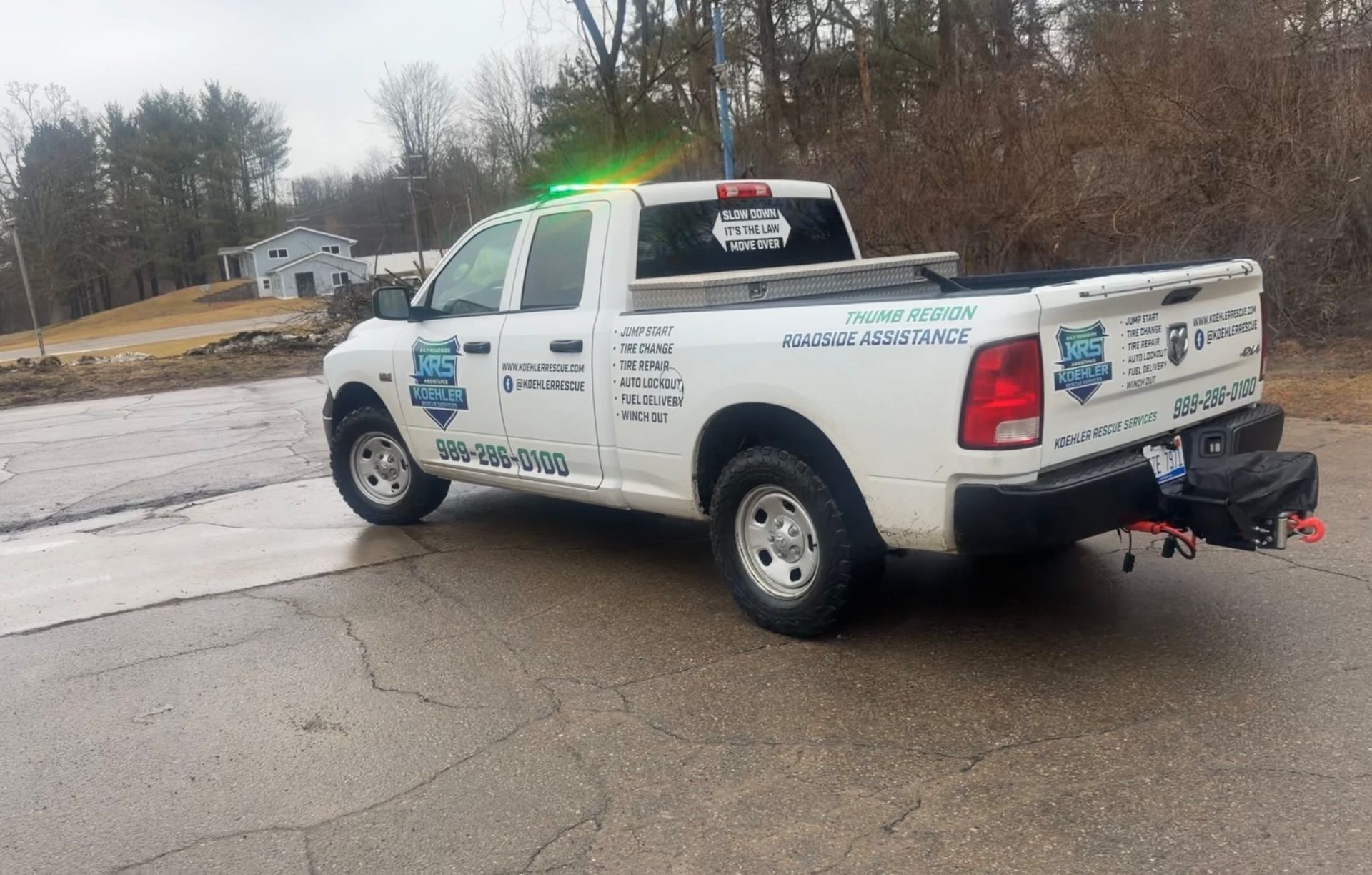
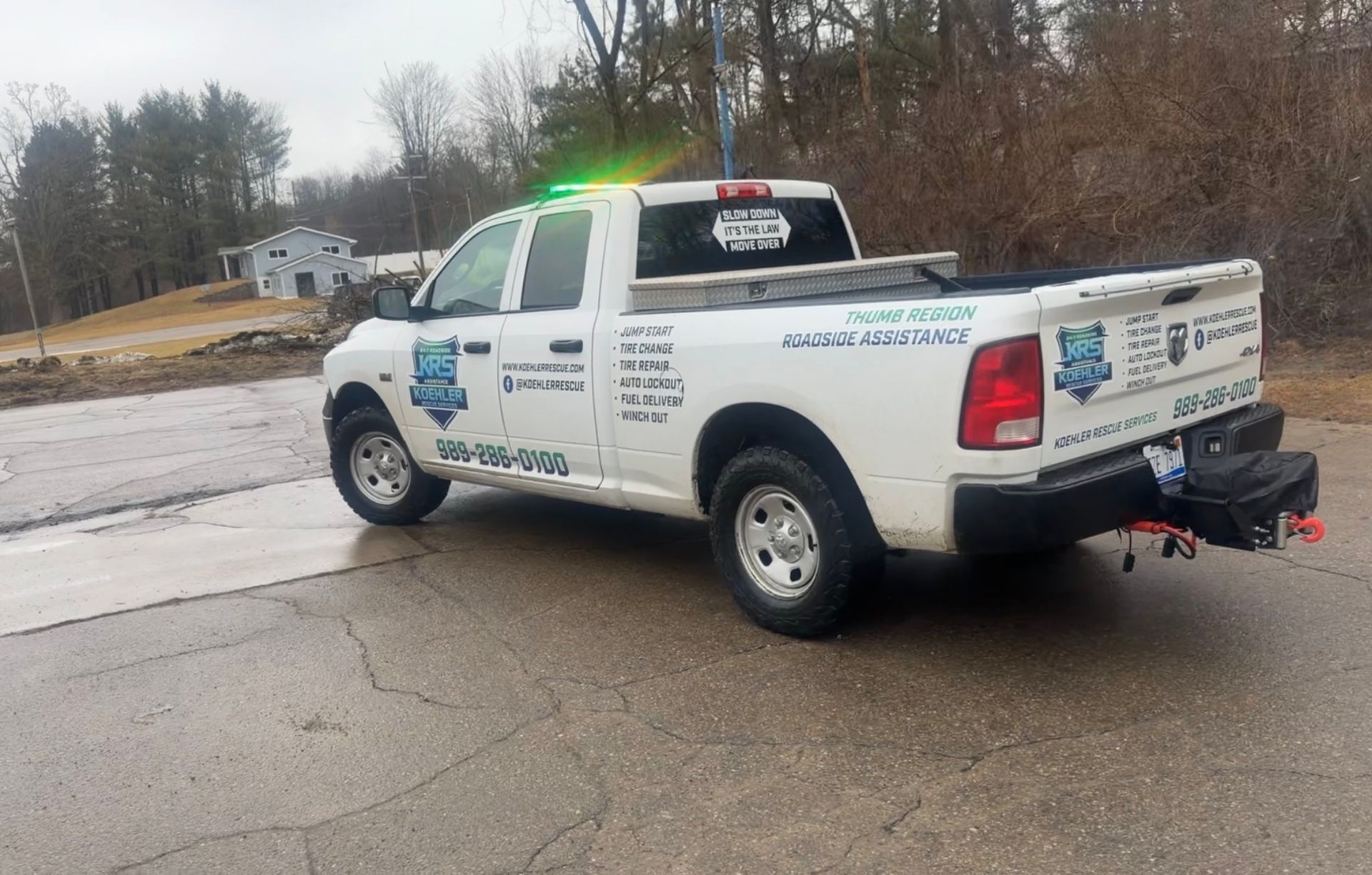
When you encounter any of these serious tire conditions, our emergency roadside assistance team provides 24/7 tire service across Michigan's Thumb Region, helping you get back on the road safely regardless of weather conditions.
Creating Your Tire Weather Checking Schedule
Consistent tire weather checking prevents most roadside emergencies. Develop a routine checking schedule based on your driving patterns and local climate conditions. For most drivers, monthly comprehensive checks supplemented by weekly pressure checks during temperature extremes provide adequate monitoring.
High-mileage drivers or those frequently traveling in severe weather should increase checking frequency. Commercial drivers and delivery professionals benefit from weekly comprehensive inspections, as their vehicles face constant weather exposure and heavy loads that accelerate tire wear.
Document your tire checking results in a simple log or smartphone app. Track pressure readings, tread depths, and any issues discovered. This maintenance history helps identify developing problems and provides valuable information for tire professionals when service becomes necessary.
Emergency Preparedness and Weather-Related Tire Failures
Even with diligent tire weather checking, emergency situations can still occur. Severe weather conditions can cause rapid tire failure, especially when combined with road hazards or unexpected temperature drops.
Prepare for weather-related tire emergencies by maintaining a well-stocked roadside kit including tire repair sealant, portable compressor, and emergency contact information. Keep your spare tire properly inflated and check it during regular weather checking sessions—nothing's worse than discovering your spare is flat when you need it most.
Know when to attempt roadside repairs versus calling professional help. Severe weather conditions like ice storms, heavy snow, or extreme heat make DIY tire changes dangerous. Professional roadside assistance ensures your safety while providing expert tire service in challenging conditions.
Technology Tools for Enhanced Tire Weather Monitoring
Modern technology offers valuable tools for tire weather checking beyond traditional gauges. Tire Pressure Monitoring Systems (TPMS) provide continuous pressure monitoring, alerting you to dangerous pressure drops before they become critical.
Smartphone apps can help track tire maintenance schedules, log pressure readings, and even provide weather-specific tire care reminders. Some apps integrate with weather forecasts to alert you when conditions warrant additional tire checking.
Bluetooth tire pressure monitors offer real-time pressure and temperature readings directly to your smartphone, providing unprecedented insight into how weather conditions affect your specific tires. While more expensive than traditional gauges, these systems excel at preventing weather-related tire failures.
Frequently Asked Questions
How often should I perform tire weather checking during extreme temperatures?
During extreme hot or cold weather (above 90°F or below 20°F), check tire pressures at least twice weekly. Temperature extremes cause rapid pressure changes that can create dangerous driving conditions within days. Before long trips during extreme weather, always perform a complete tire inspection regardless of your last checking date.
Can I check tire pressure accurately in cold weather?
Yes, but cold weather tire checking requires specific techniques for accuracy. Check pressures when tires are cold (before driving) and add 2-3 PSI above recommended levels if you expect significantly colder temperatures. Digital gauges work better than pencil-style gauges in freezing conditions, and always check your spare tire—it's often forgotten during winter months.
What tire pressure changes should I expect with weather variations?
Expect 1-2 PSI change for every 10°F temperature shift. A tire inflated to 32 PSI at 70°F will drop to approximately 28 PSI when temperatures reach 50°F. This natural pressure variation is why weather-aware checking becomes so important—what seems like proper inflation in one season can become dangerously low in another.
How does rain affect tire weather checking results?
Rain doesn't directly affect tire pressure readings, but wet conditions reveal tread depth inadequacy that dry weather checking might miss. Wet roads require deeper tread for safe traction—tires with 2/32" depth (legal minimum) become dangerous in heavy rain. Check tread depth more frequently during rainy seasons and consider replacement at 4/32" for improved wet weather safety.
Should I adjust tire pressure differently for summer vs winter driving?
Yes, seasonal pressure adjustments are essential for safe tire weather checking. Winter tire pressures should be set 2-3 PSI higher than recommended to account for temperature drops, while summer pressures should follow manufacturer recommendations exactly. Always check pressure when tires are cold, and remember that hot highway driving can temporarily increase pressure by 4-6 PSI above your cold inflation setting.
When it comes to tire weather checking, consistency and weather awareness are your best protection against roadside emergencies and safety hazards. By understanding how different conditions affect your tires and maintaining a regular checking schedule, you'll enjoy safer driving, better fuel economy, and fewer unexpected tire failures throughout the year.